Get a competitive quote for your Teesside damp problem
Damp surveys, chemical damp proof courses, render and pointing repairs, condensation control, black mould treatment and cellar tanking, priced across every TS postcode. Work starts with a diagnosis of what is actually wetting the wall, and finishes with a written, guaranteed specification rather than a coat of paint over the stain.
- ✓ Free quotes
- ✓ Competitive pricing
- ✓ Fast turnaround
- ✓ All TS postcodes covered
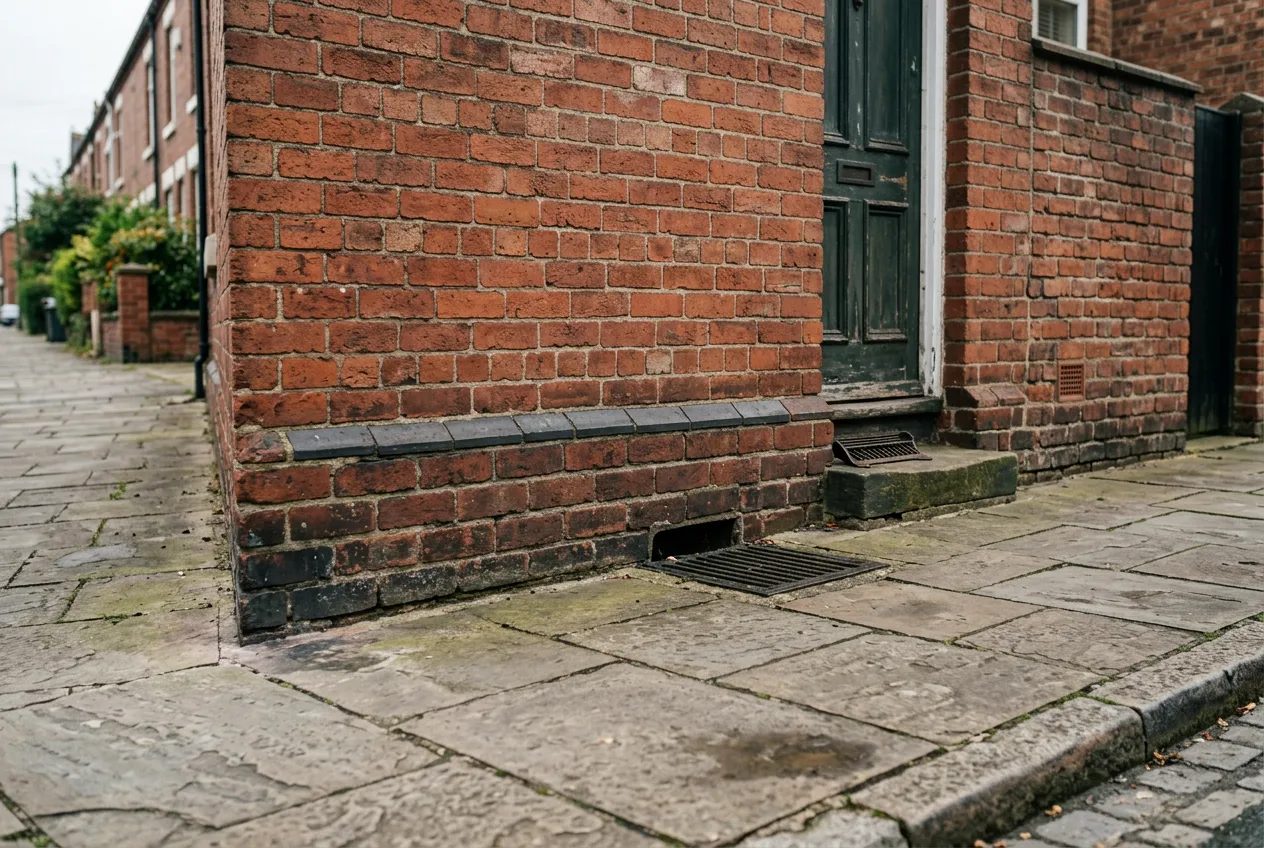
Damp proofing services in Teesside
Get a competitive, written quote for damp diagnosis and repair, from a chemical damp proof course and replastering to render repairs, condensation control, mould treatment, cellar tanking and timber rot work. Every price starts with finding the cause, not covering the stain.
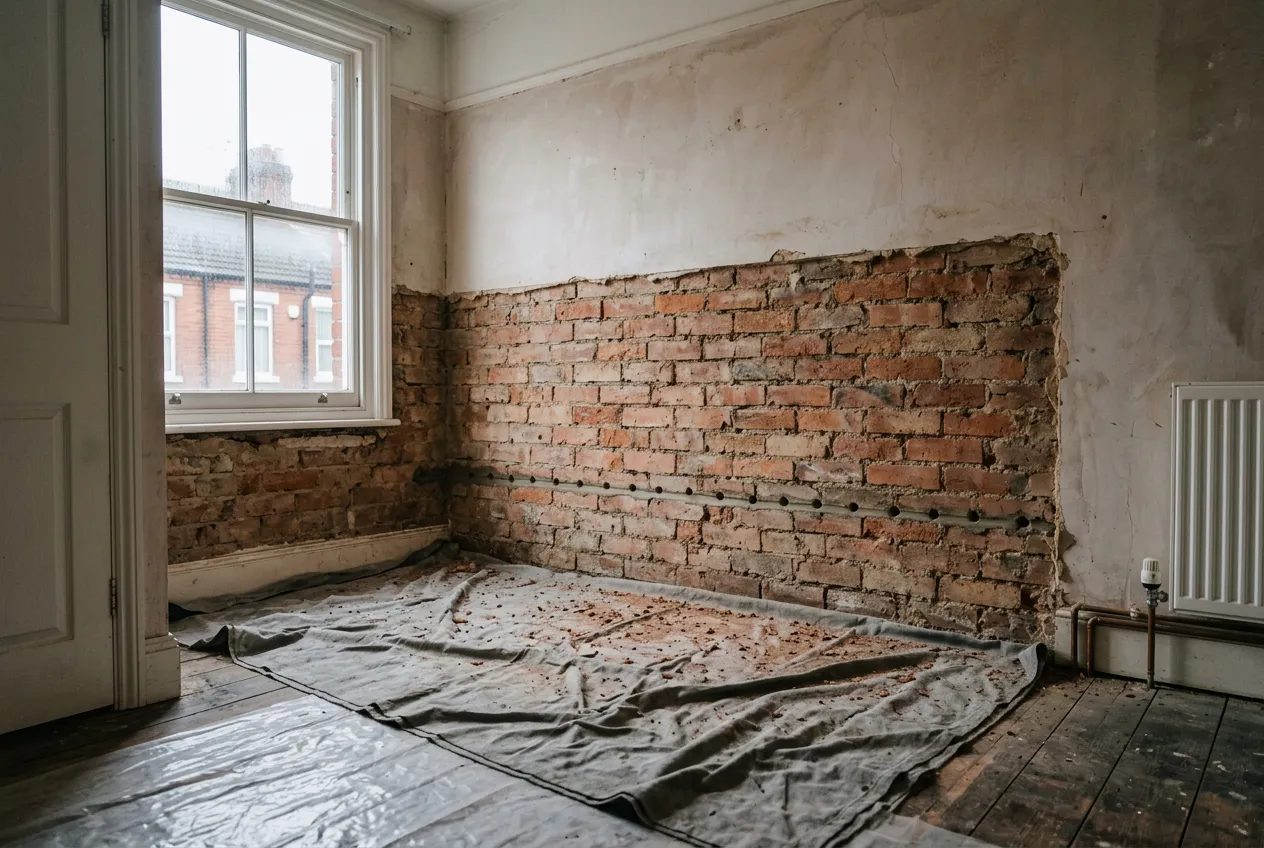
Rising Damp Treatment
New chemical damp proof course and salt-retardant replastering, once rising damp is proven.
From £70/m →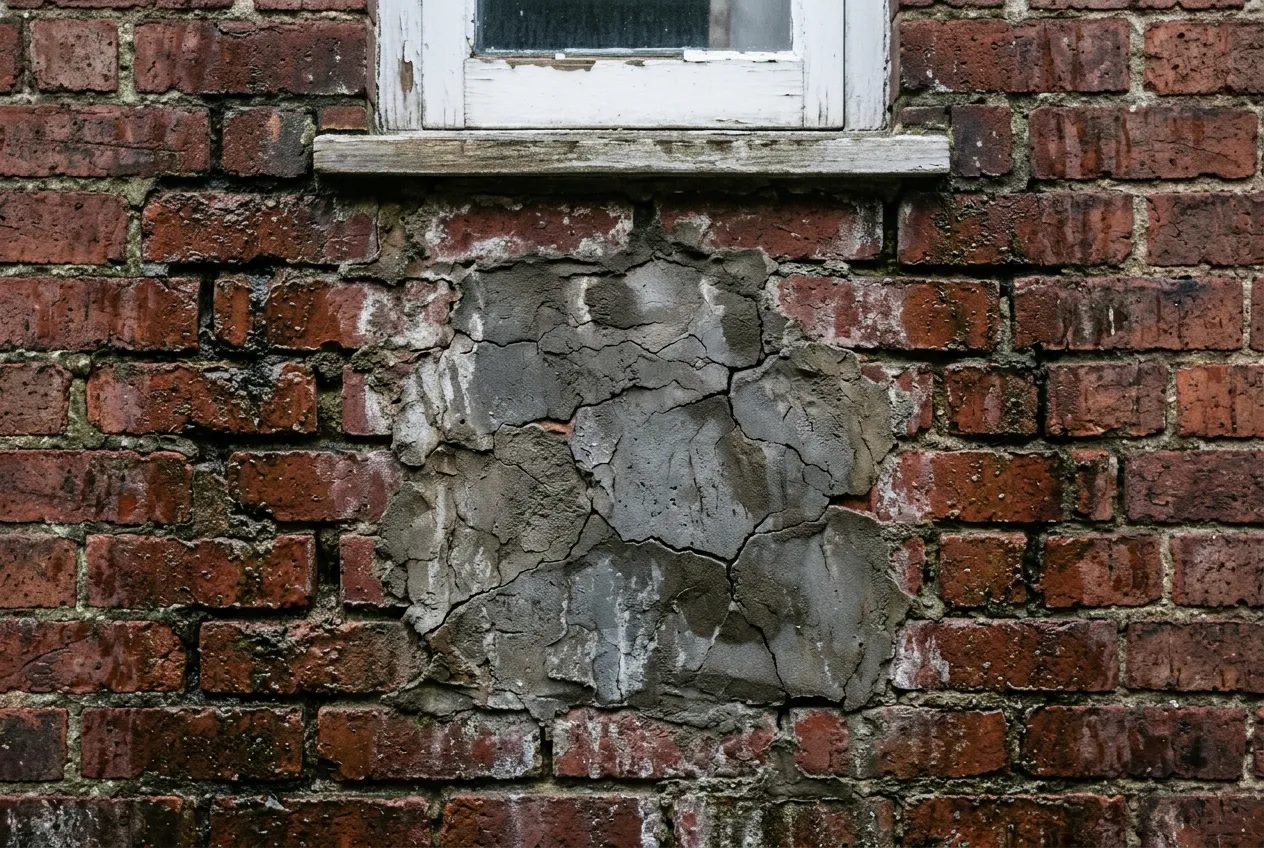
Penetrating Damp Repairs
Find the fault letting water through the wall, fix it, then dry and make good inside.
From from £90 →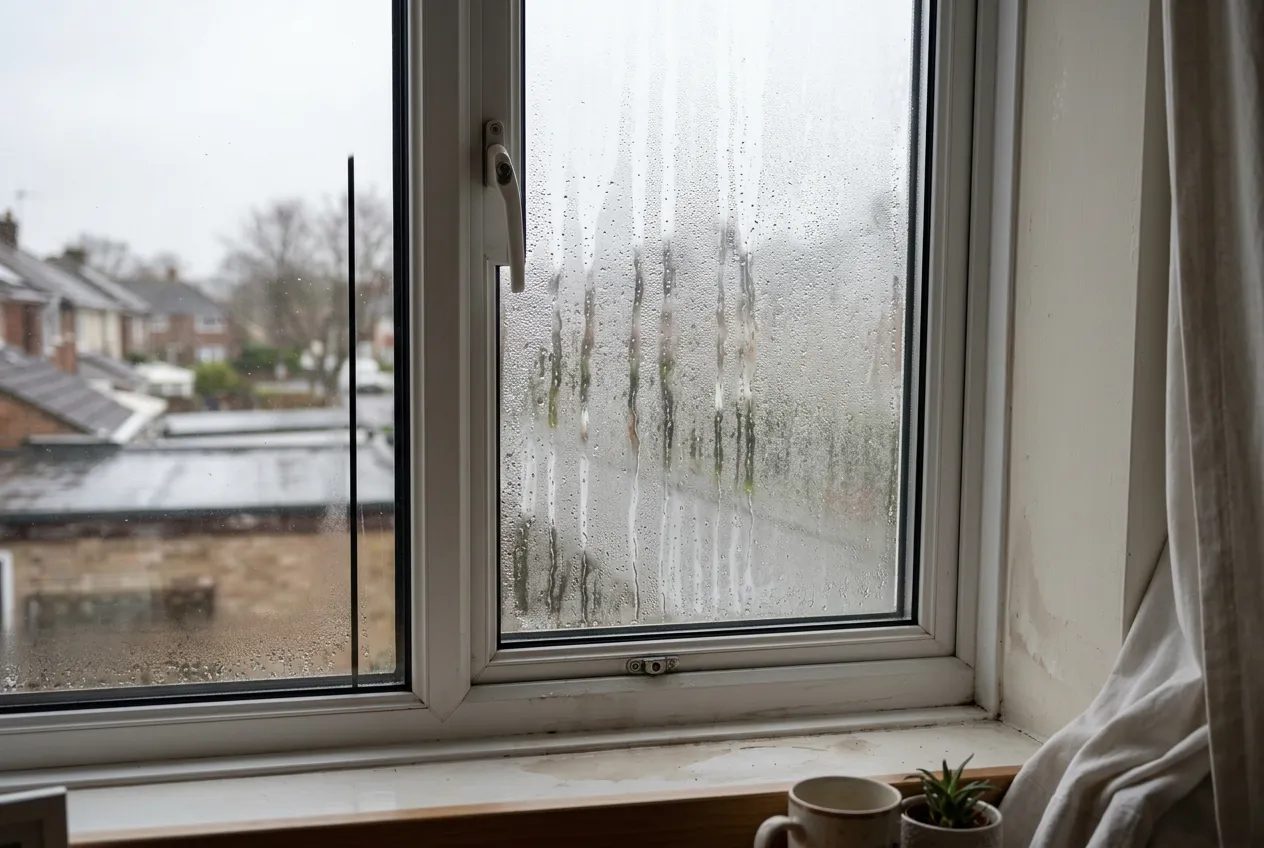
Condensation Control
Extraction, background ventilation and warmer surfaces so moisture stops landing on the walls.
From from £180 →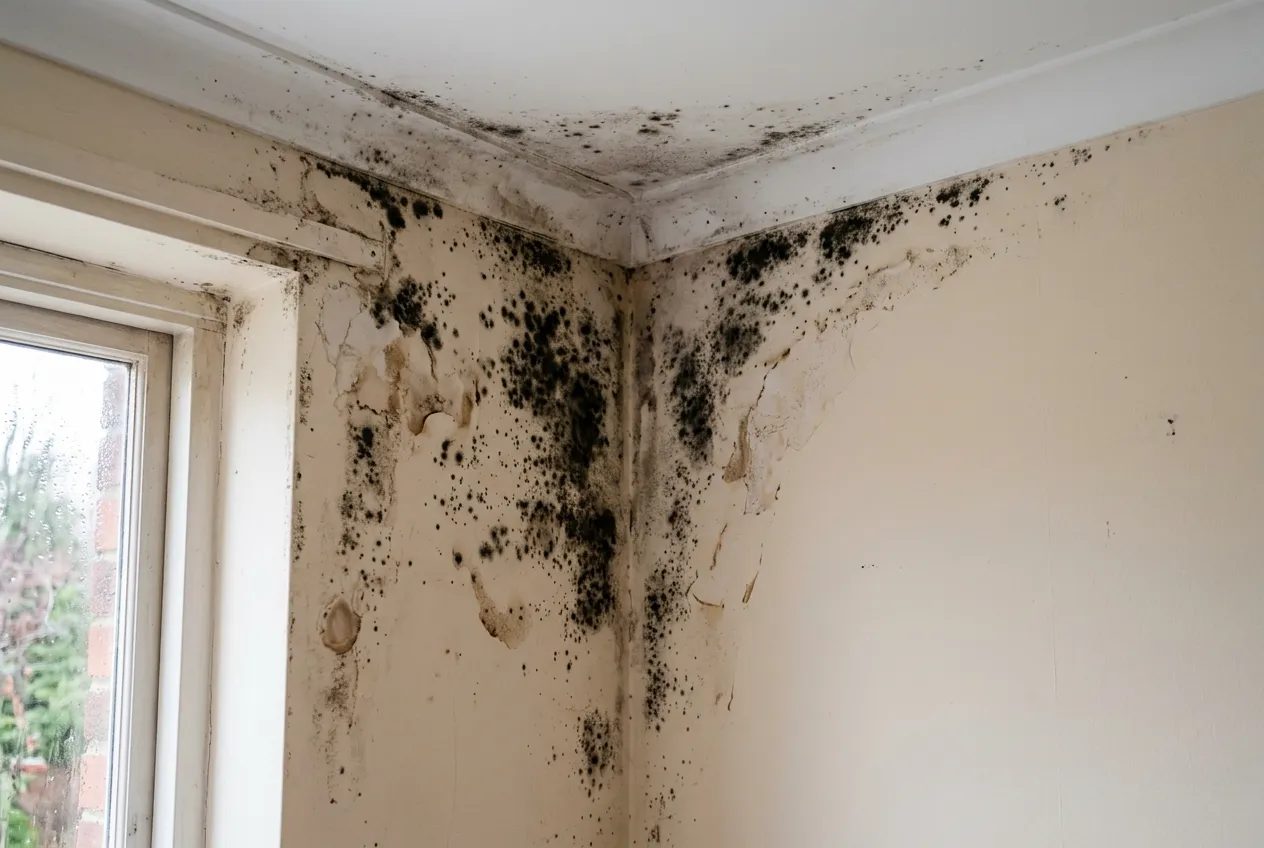
Black Mould Removal
Biocidal treatment, contaminated finishes removed, mould-resistant redecoration and the cause fixed.
From from £300 →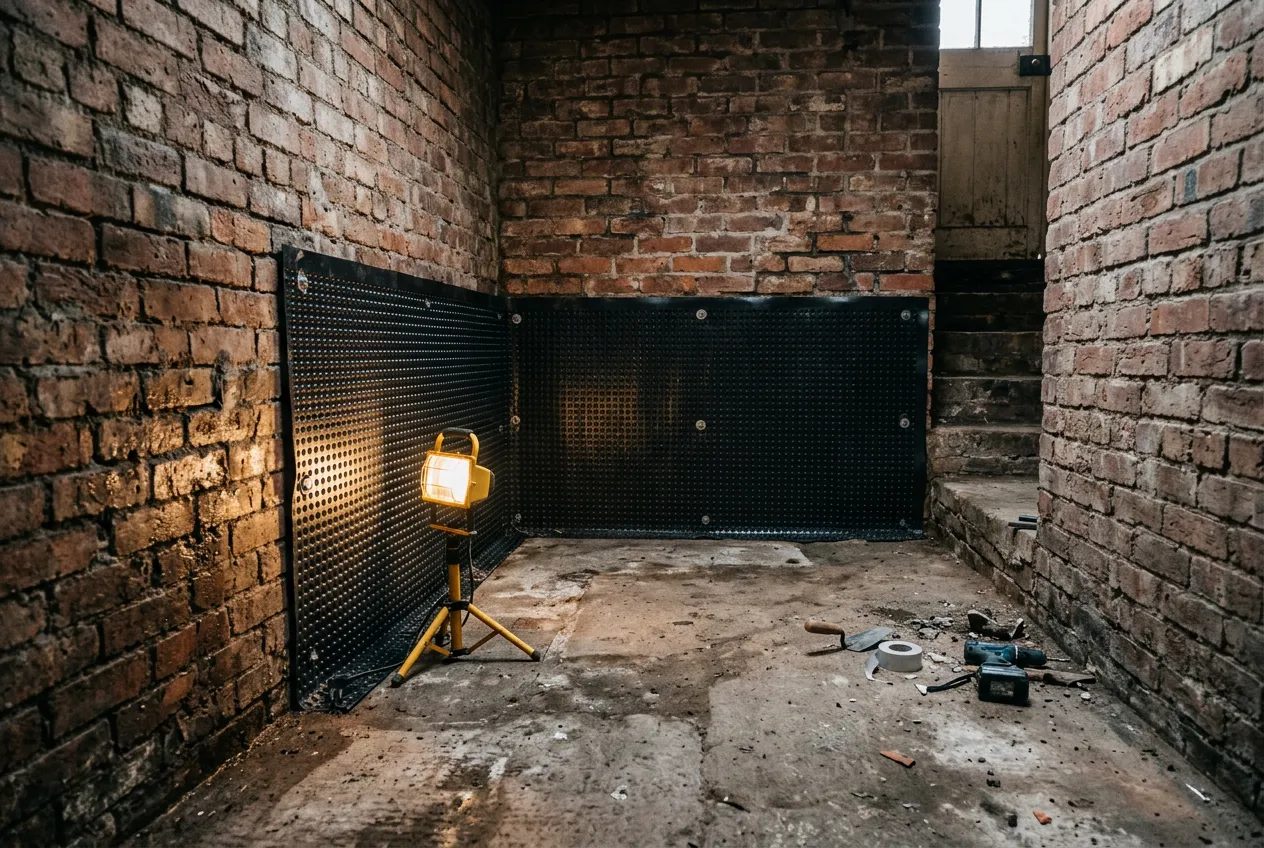
Basement & Cellar Waterproofing
Cellar tanking or cavity drain membrane systems, specified to BS 8102 and guaranteed.
From £80/m² →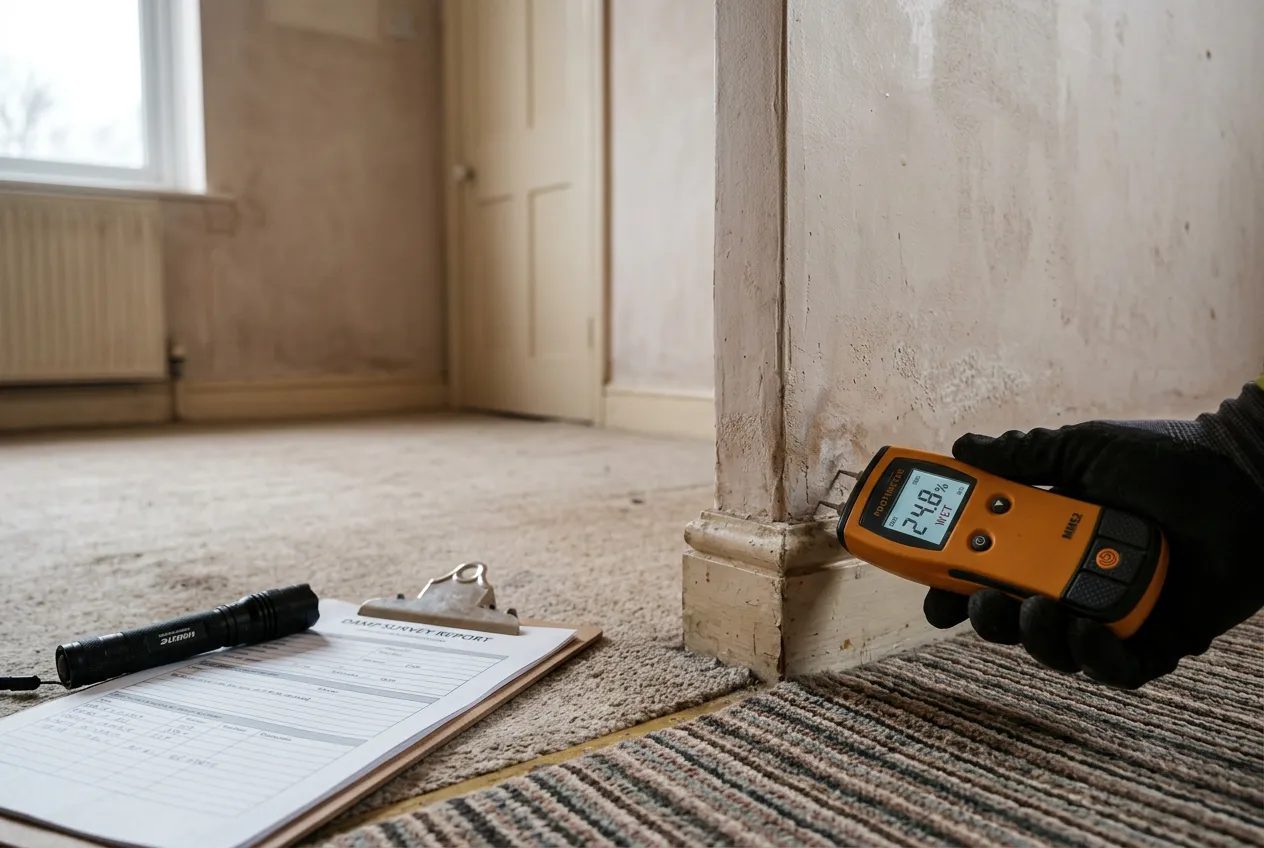
Damp Surveys & Reports
Written diagnosis, measured extents and a specification you can price against.
From from £150 →How it works
- Tell us what the damp is doing. Two minutes in the quote form, where the damp is, how long it has been there, your postcode.
- Get your free quote. Your job is priced properly and competitively, with a fast turnaround.
- You decide. Talk the quote through, ask questions, take your time. No charge, no pressure.
What does damp proofing cost in Teesside?
A proper independent damp survey with a written report is £150 to £350. A chemical damp proof course runs £70 to £120 per linear metre of wall, so a typical two-wall problem in a terraced front room lands around £600 to £1,400 once the salt-contaminated plaster is hacked off and renewed. Replastering on its own is £45 to £70 per square metre. Condensation work is cheaper and often more effective: a decent humidity-sensing extractor is £180 to £350 fitted, a whole-house positive input ventilation unit £600 to £1,200.
The wide ranges exist because damp is a symptom, not a job. The same black patch in the corner of a bedroom can be a failed gutter joint costing £90 to fix, a bridged damp proof course under a raised patio, or a cold external corner that needs ventilation and insulation rather than any damp proofing at all. Pricing before diagnosis is guesswork, and it is how houses end up injected twice.
| Work | Guide price | Notes |
|---|---|---|
| Independent damp survey and report | £150 to £350 | Often credited against the works |
| Chemical damp proof course | £70 to £120 per metre | Injection plus replastering to BS 6576 |
| Replastering after treatment | £45 to £70/m² | Salt-retardant render coat and skim |
| Repointing an exposed elevation | £45 to £90/m² | Lime or sand-cement to suit the brick |
| Extractor fan / PIV ventilation | £180 to £350 / £600 to £1,200 | Fitted, tested and set up |
| Black mould treatment | £300 to £900 per room | Includes redecoration in most quotes |
| Cementitious tanking to a cellar | £80 to £150/m² | Suits dry, structurally sound walls |
| Cavity drain membrane and sump | £6,000 to £15,000 | Full basement conversion standard |
The full breakdown, including what a fair specification should list line by line, is in the 2026 Teesside damp proofing cost guide.
Why Teesside houses get damp
Three things stack up locally. The housing stock in central Middlesbrough, Stockton, Thornaby and the older parts of Hartlepool is dominated by solid nine-inch brick terraces built between roughly 1880 and 1910, many with a slate or bitumen damp proof course that is now well past a century old, and some with none at all. Second, the ground beneath most of the conurbation is heavy glacial boulder clay, which holds surface water against foundations for days after heavy rain instead of letting it drain away. Third, the region takes its weather off the North Sea, so north and east elevations from the Hartlepool Headland down through Redcar and Saltburn get salt-laden, wind-driven rain hitting them almost horizontally.
Add to that the two changes people make to their own houses that cause more damp than anything else: raising external ground levels with a new drive, patio or decking so that soil sits above the damp proof course, and retrofitting cavity wall insulation into an exposed elevation whose brickwork was never watertight to begin with. Both are common across the 1930s and 1950s semis in Acklam, Norton, Fairfield and Grangetown, and both show up inside as a damp band that has nothing to do with rising damp at all.
Rising damp, penetrating damp or condensation?
Nearly every enquiry is one of those three, and telling them apart changes the price by thousands. The short version:
- Rising damp comes up from the ground by capillary action. It stops at a fairly level tide mark, usually under a metre, and leaves salt deposits and blown plaster behind it. It is genuinely less common than the number of injection quotes issued would suggest, but it is real, and old terraces with a perished slate course are where it turns up.
- Penetrating damp comes through the wall from outside. It appears as a patch rather than a band, it worsens within hours of driving rain, and it traces back to a physical fault: a blocked gutter, a cracked render bay, an open perpend, a leaking soil pipe, a failed sill or a bridged cavity.
- Condensation forms on cold surfaces from moisture already inside the house. It favours external corners, behind wardrobes, window reveals and unheated bedrooms, it produces black spot mould rather than tide marks, and it peaks between October and March.
A moisture meter reading on its own does not separate them, because the salts left by any long-term damp problem read as high moisture even on a dry wall. The guide on telling damp types apart sets out the tests that do.
Six jobs, one house
Most damp problems need one of these, and a few need two. A damp survey is the sensible first step on anything expensive or disputed, particularly during a house purchase. Rising damp treatment installs a new chemical damp proof course and renews the contaminated plaster above it. Penetrating damp repairs fix the external fault, then dry and make good inside. Condensation control adds extraction, background ventilation and warmth where the moisture is being generated. Black mould removal treats and redecorates once the moisture source is under control. Basement and cellar waterproofing deals with the below-ground rooms that terraces around Linthorpe, Norton and central Stockton were built with.
Guarantees, and what makes one worth having
Damp work is normally sold with a 20 or 30 year guarantee, and the guarantee is only as good as the company standing behind it. Two questions settle it. Is the guarantee insurance-backed by an independent provider such as GPI or QANW, so that it survives the contractor going out of business? And is the firm a member of the Property Care Association with a surveyor qualified to CSRT or CSSW level, whose specification the insurer will accept?
Ask for the guarantee document before signing anything, not after the work. A written guarantee that only names the contractor is a promise, not a policy, and roughly half of the damp guarantees homeowners think they hold turn out to be exactly that.
What a good damp quote looks like
Whoever carries out the work, the paperwork should contain five things:
- A stated cause. Not "damp to the front elevation" but why the wall is wet, with the evidence behind that conclusion.
- Measured extents. Linear metres of damp proof course, square metres of replastering, number of fans, so the price can be checked.
- Named products and standards. The injection cream, the render mix and additive, and reference to BS 6576 for damp proof courses or BS 8102 for below-ground work.
- The drying period. A treated wall needs roughly one month per 25mm of thickness before it can be decorated. Any quote promising to inject, replaster and paint in a week is storing up a callback.
- The guarantee terms. Length, what it covers, who insures it, and what voids it.
Get a competitive quote for your Teesside damp problem
Competitive pricing, quoted properly for your job. No charge, no pressure.
- ✓ Free quotes
- ✓ Competitive pricing
- ✓ All TS postcodes covered
Where we cover
Damp work is covered across the whole Teesside conurbation, from the Victorian terraces of central Middlesbrough and the Hartlepool Headland to the exposed coastal walls at Redcar and Saltburn.
Full details on the areas we cover page.
Frequently asked questions
How much does damp proofing cost in Teesside?
Do I need a survey before getting work done?
Is rising damp really as common as I am told?
Will treatment get rid of the black mould for good?
How long does damp work take?
Does buildings insurance cover damp?
Damp and mould guides for Teesside homeowners
2026 damp proofing prices
Real Teesside figures for damp proof courses, replastering, ventilation, mould work and tanking, plus what changes the price.
How to tell damp types apart
The patterns, timings and tests that separate the three kinds of damp before anybody quotes to treat one.
Damp guarantees explained
Insurance-backed policies, contractor promises, what voids cover, and the qualifications behind a specification that lasts.
Get a competitive quote for your Teesside damp problem
Competitive pricing, quoted properly for your job. No charge, no pressure.
- ✓ Free quotes
- ✓ Competitive pricing
- ✓ All TS postcodes covered